


Popular Sugar Substitute Linked to 57% Higher Risk of Heart Attack or Stroke
Popular Sugar Substitute Linked to 57% Higher Risk of Heart Attack or Stroke

Joseph ArangioWed, September 2, 2026 at 12:47 AM UTC
0

A popular sweetener hiding in sugar-free gum, candy, and even some nut butters is facing new scrutiny. In a long-term analysis of 17,710 adults, people with the highest blood levels of xylitol had a 57% greater risk of a heart attack, stroke, or death over six years than those with the lowest levels, the European Society of Cardiology reported.
That does not mean an occasional stick of gum causes a heart attack. But the result matters because xylitol is routinely marketed as a smarter sugar swap—and researchers saw the association after accounting for smoking, cholesterol, diabetes, hypertension, age, and sex.
Related: New Study Reveals What Just 2 Weeks of Added Sugar Can Do to Your Body
The Signal Persisted for Decades
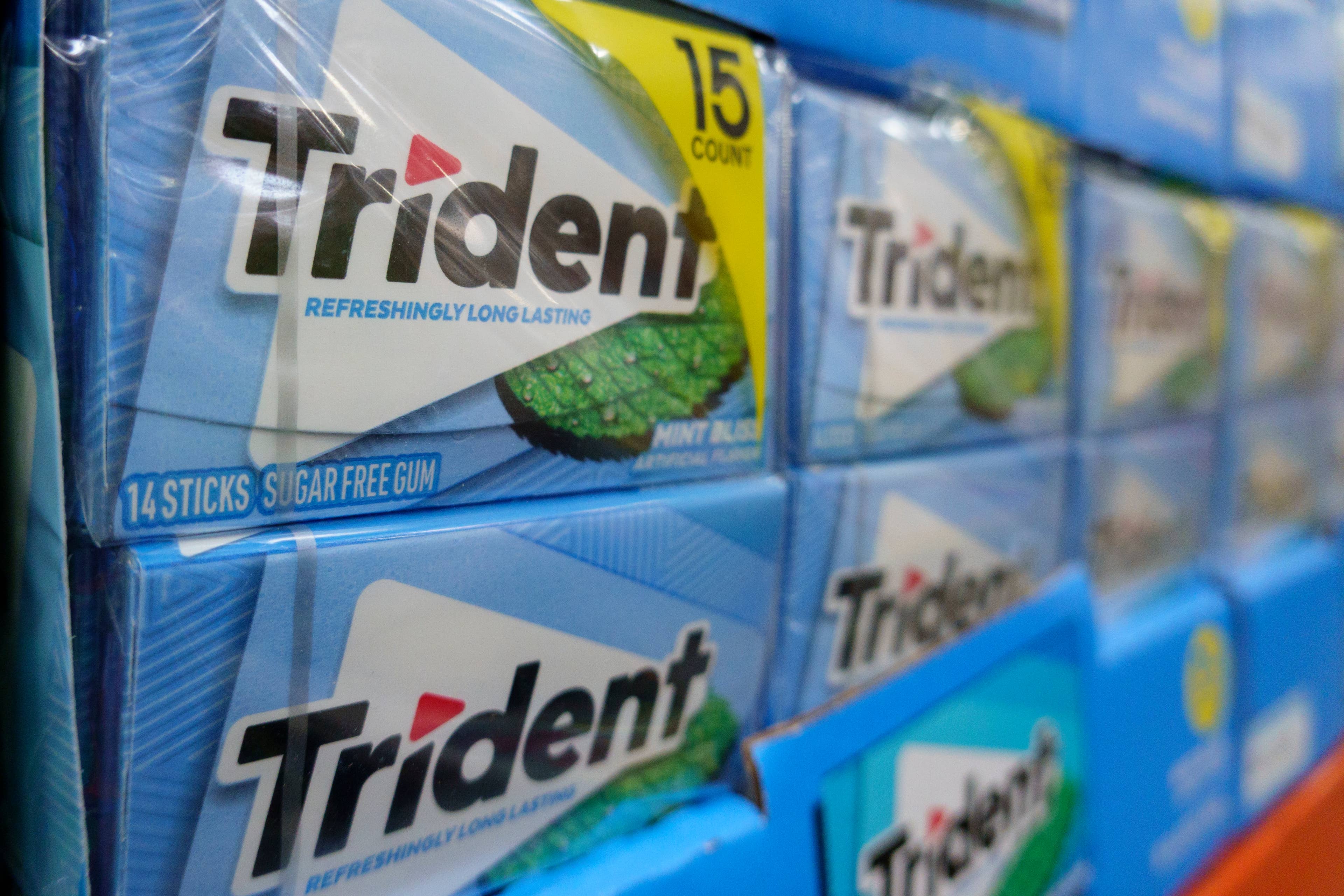
Packages of Trident sugar free chewing gum are displayed at a Costco Wholesale store.Photo by Getty Images
Researchers analyzed two large observational cohorts. In the Canadian group, the highest-versus-lowest xylitol comparison produced the 57% difference over six years. In Britain’s EPIC-Norfolk cohort, the higher-level group had an 18% increase in major cardiovascular events across 30 years. Both showed a dose-response pattern: Event rates rose alongside blood xylitol.
“In previous studies, we showed that xylitol can enhance the ability of platelets to form clots,” study presenter Dr. Marco Witkowski of Charité University Hospital said. “Here we studied if xylitol increases cardiovascular events in a larger sample of the general population over much longer follow-up.”
That clotting mechanism makes the association biologically plausible, but it does not prove eating xylitol caused the outcomes.
Related: Drink Diet Soda Every Day? A Major Study Found a Surprising Brain-Health Link
Advertisement
Xylitol Hides Beyond the Gum Aisle
Xylitol occurs naturally in the body and in tiny amounts in certain foods. Manufacturers may add far greater concentrations to sugar-free candy, cookies, gum, baked goods, toothpaste, mouthwash, cough syrup, chewable vitamins, supplements, and some nut butters, according to the FDA.
“Consumers can identify whether a product has a sweetener by looking for the sweetener’s name in the ingredient list,” the agency advises.
Don’t Panic, but Read the Label
Professor Dan Atar of the ESC cautioned that “as with all observational studies, causalities are difficult to infer, but this work shows that further studies are mandated into this societally important topic.”
Witkowski likewise said the findings “highlight how little we know about the cardiovascular safety of xylitol and indicate that further studies are warranted.”
Next: A Dietitian Says Men Are Making This Gut Health Mistake and Could Be the Reason You Feel Bloated
Related: I’m a Nutritionist: This Is What People Get Wrong About the Sugar in Fruit
This story was originally published by Men's Journal on Sep 2, 2026, where it first appeared in the News section. Add Men's Journal as a Preferred Source by clicking here.
Source: “AOL Breaking”
