


Data centre could 'threaten bumblebee and one of Britain's rarest plants'
Data centre could 'threaten bumblebee and one of Britain's rarest plants'

Shivani Chaudhari - EssexMon, September 14, 2026 at 5:43 AM UTC
0

Emily Buttress said Essex Wildlife Trust is not against development, but they want it to be sustainable
Plans to build a new data centre could threaten the habitat of one of Britain's rarest and most endangered plants and a type of bumblebee, a wildlife trust said.
A Google Data Centre could come to the former Arena Essex Raceway Local Wildlife Site in Thurrock, Essex, if plans are approved.
The site is home to Broad-leaved Cudweed, and experts have claimed that this might be the best site for the rare plant in the country.
It is also home to 687 invertebrates and 439 plant species, and Emily Buttress, from Essex Wildlife Trust, said if plans went ahead: "Incredibly rare wildlife and habitats would be destroyed."
Global Infrastructure UK Ltd, which is a private company used by Google to develop data centres in the UK, submitted plans to Thurrock Council last year.
Speaking on behalf of the applicant, Mallory Land Ltd said in planning documents the proposals would respond to the ecological sensitivities of the site.
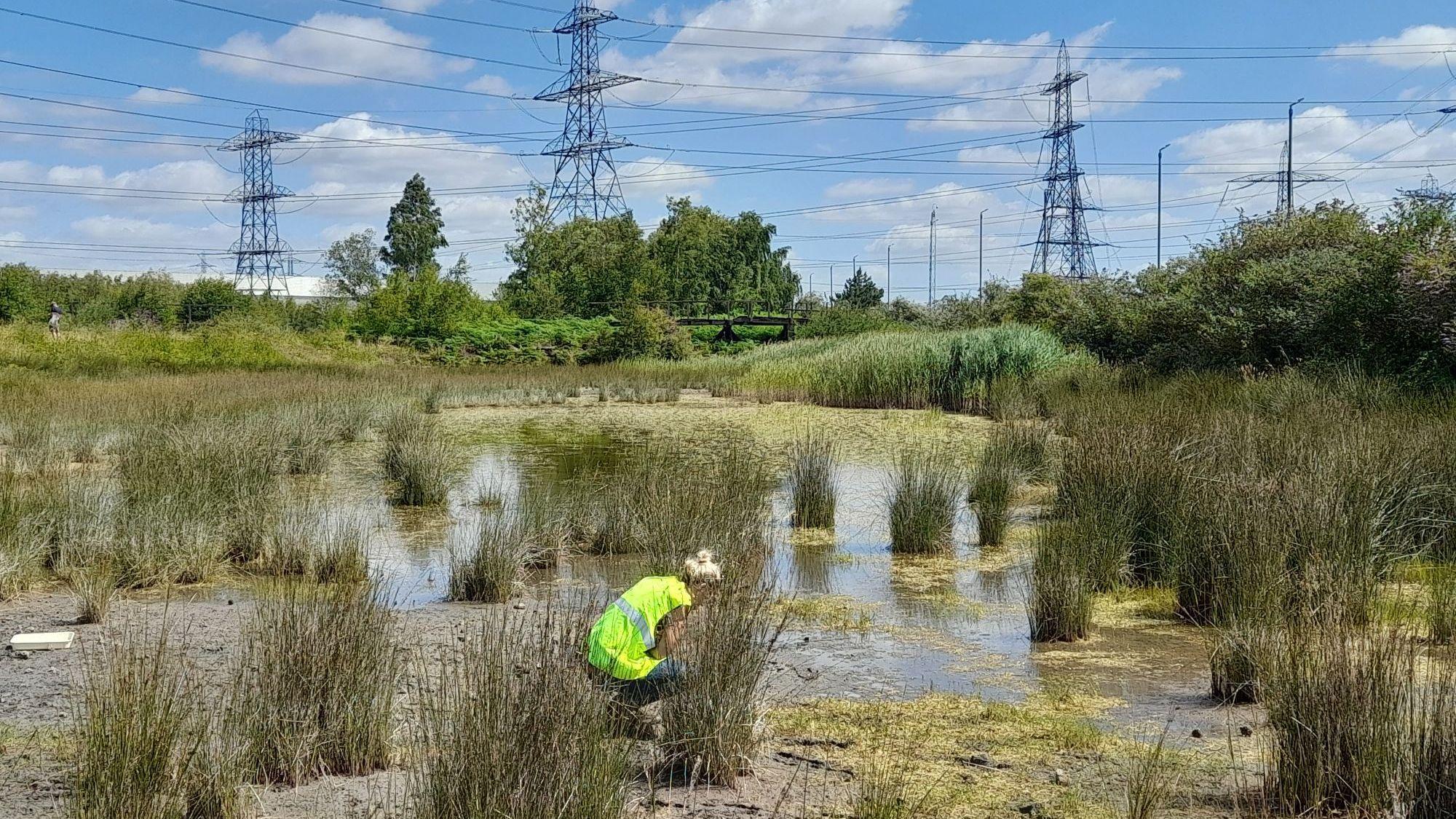
There are hundreds of unique species that live on the site
Data centres are giant warehouses full of powerful computers used to run digital services from movie streaming to online banking and artificial intelligence.
There are currently 568 data centres listed in the UK, according to the data centre map.
However, there are concerns about the huge amount of energy and water needed for the facilities.
Buttress said: "We are worried about the impacts for the local community due to water use, energy use, the warming effect on the land around them and not enough research into the long-term impacts of these buildings."
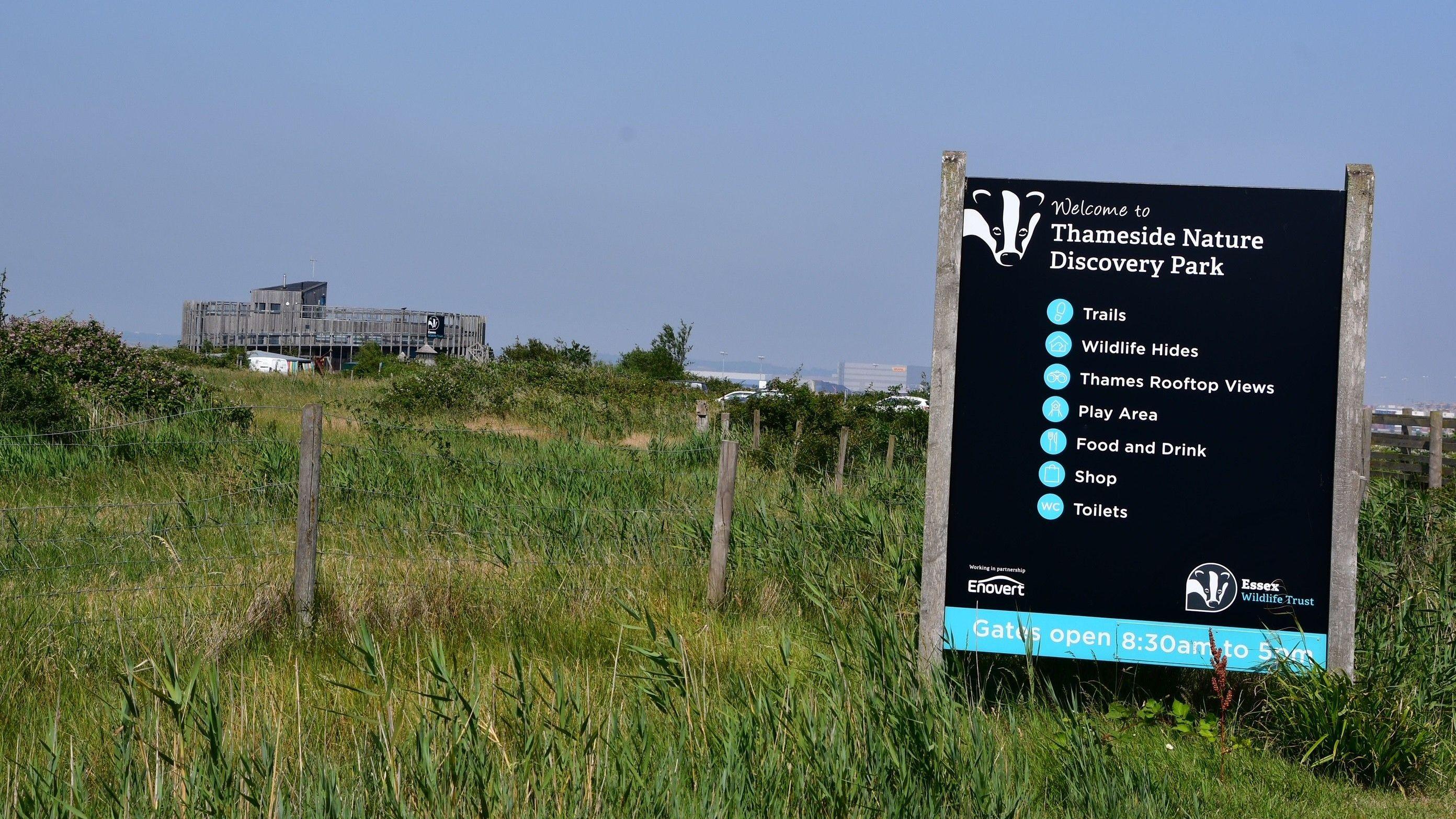
If plans are approved the data centre could bring scores of jobs to the area
Hidden away in Thurrock between the Mar Dyke Valley and Lakeside is where the 52-hectare site sits.
Advertisement
Buttress said the site became a Local Wildlife Site (LoWS) in 2006 adding: "LoWS are areas selected using robust, scientifically determined criteria and detailed ecological surveys.
"We are quite worried with the rapid development of data centres.
"What would it do for the local community in a water drought county. We are not against development, but it has to happen sustainably."
The trust said the rare species at risk of losing their home include shrill carder bumblebee which is only found in two areas of England, and a dingy skipper, a small, moth-like butterfly belonging to the skipper family.
Nightingales - a red-listed bird - the brown-banded carder bee - which are considered scarce - and the five-banded weevil-wasp are also found at the site.
A planning Supporting Statement submitted by Mallory Land Ltd on behalf of Global Infrastructure UK Ltd said: "The demand for data centres has expanded significantly in recent years, driven by exponential growth in digital services, the emergence of artificial intelligence, cloud-based technologies, and the increasing adoption of smart infrastructure."
It added that the development of the centre is expected to bring thousands of skilled jobs to the area.
The statement said the proposed plans incorporate an integrated landscape and green infrastructure strategy that responds directly to the ecological sensitivities and socio-environmental needs of the site and surrounding area.
The BBC has approached Google and Mallory Land Ltd for further comment.
Do you have a story suggestion for Essex? Contact us below.
Follow Essex news on BBC Sounds, Facebook, Instagram and X.
Related internet links
-
Essex Wildlife Trust

Source: “AOL Breaking”
