


BofA reiterates buy on a cloud giant burning through cash
BofA reiterates buy on a cloud giant burning through cash

Opeyemi BabalolaSun, September 13, 2026 at 11:47 PM UTC
0
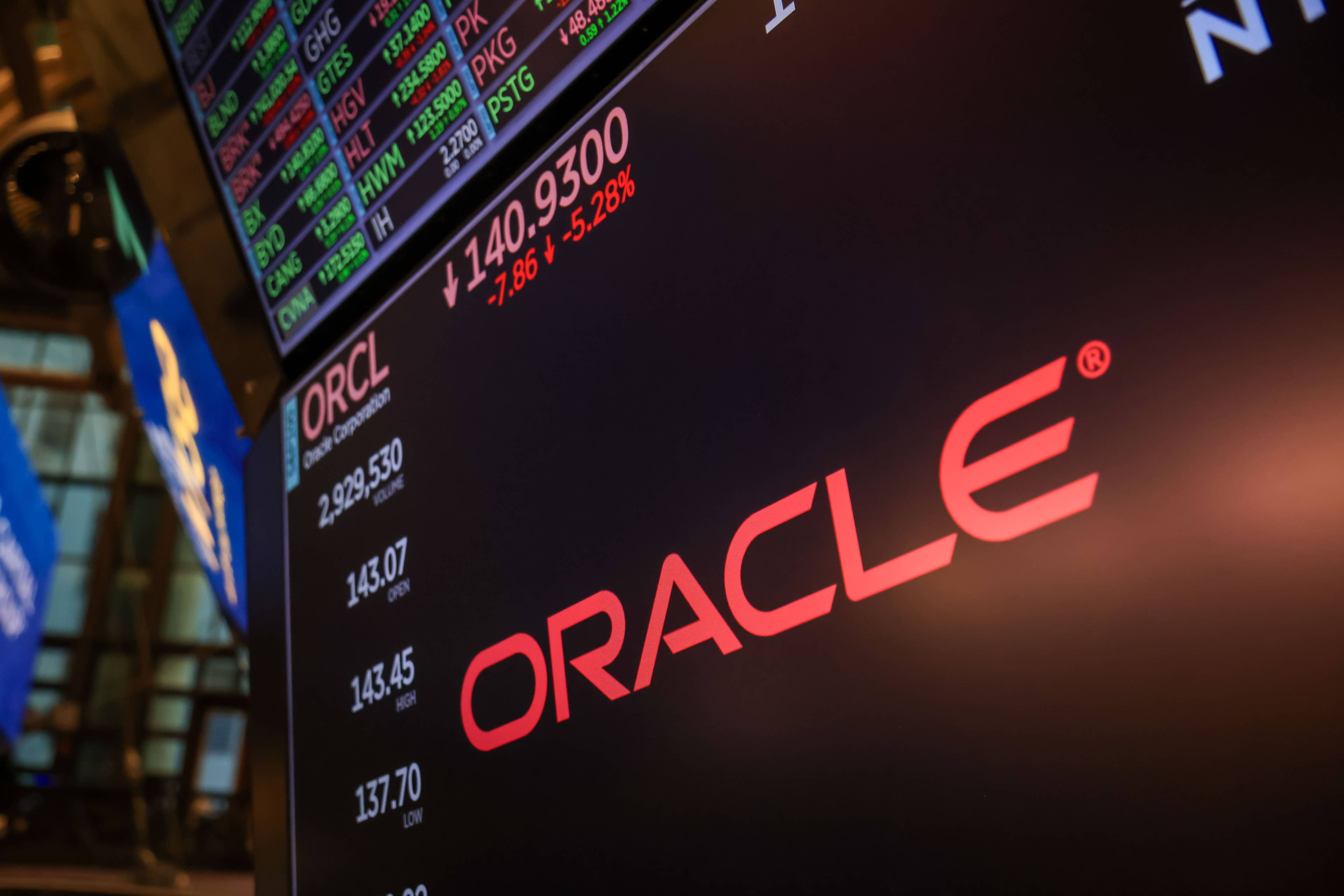
Michael Burry built his reputation on bets nobody else wanted to make. In August, he disclosed a short position in Oracle Corporation (ORCL) at $144.63, calling the trade “a bit like shooting fish in a barrel,” Benzinga reported.
A few weeks later, after Oracle posted one of its strongest quarters on record, analysts at Bank of America looked at the same numbers and reiterated their most bullish call yet.
That gap matters more than either side’s confidence. Oracle just proved its cloud business can grow faster than almost anyone on the Street expected.
It also spent more in three months than most companies do in a year, according to a Bank of America note shared with TheStreet, dated Sept. 11, 2026.
Related: Morgan Stanley revamps Oracle stock price target
Oracle’s growth engine outpaced even the bulls’ models
Oracle’s fiscal first-quarter revenue rose 29.6% from a year earlier, beating the Street’s 28.2% estimate, the BofA note said. Cloud infrastructure revenue, the business that rents out AI computing power, more than doubled, up 121% against a 115% consensus.
The beat came from capacity, not just demand. Oracle brought 850 megawatts of new data center power online during the quarter, nearly triple the prior quarter’s pace, according to Oracle’s earnings release.
Management also raised its full-year revenue outlook to more than $90 billion, with adjusted earnings guidance of $8.10 a share.
Shares fell anyway. Oracle closed at $150.28 on Friday, down from the $152.94 close that the Bank of America note used as its baseline the day before. That leaves the stock roughly 55% below the $331 intraday high it touched almost exactly a year earlier, though well above its 52-week low of $114.50 set in late July.
Bank of America’s $240 price target implies close to 60% upside from Friday’s close. That is a striking gap for a stock that has already fallen this much in 2026, and it boils the investment case down to one question: pay today’s discounted price for growth that has already outrun estimates, or wait for the spending to show up in free cash flow.
Oracle’s stock fell despite record cloud growth after Bank of America reiterated a $240 price target implying nearly 60% upside from Friday’s close.Bloomberg / Getty ImagesOracle is spending cash faster than it’s collecting it
The same report that praised Oracle’s growth flagged what it costs. Capital expenditures hit $28.5 billion for the quarter, well above the Street’s $19.8 billion estimate, and gross margin slipped to 61% from 68.7% a year earlier as infrastructure spending diluted software’s higher margins.
Oracle is not just spending its own cash. As of its most recent quarterly filing, the company disclosed $261 billion in additional data center lease commitments not yet on its balance sheet, obligations that typically run 15 to 19 years, according to a filing with the Securities and Exchange Commission.
Advertisement
That load already cost Oracle its credit standing. S&P Global Ratings cut the company to BBB-, one notch above junk, in July, citing the widening gap between spending and cash coming in.
Oracle’s backlog kept growing anyway. Remaining performance obligations reached $664 billion, up $26 billion from the prior quarter, with more than $30 billion of new AI bookings added in the period, the BofA note said.
More Bank of America:
BofA stays bullish on a cloud titan that is down 25%
BofA flips on Everpure after months on the sidelines
BofA gives SpaceX investors wireless reality check
Bulls and skeptics are reading the same numbers differently
That split is not new. Days before the print, Wall Street’s equity and credit desks were already telling opposite stories about Oracle, with stockholders buying dips while bond investors priced in more risk.
Burry’s bet extends that argument: Oracle is depreciating expensive chips too slowly and understating the real cost of its buildout.
One recent move added to the confusion rather than settling it. Larry Ellison canceled a plan to sell up to $7.5 billion of his Oracle shares on Sept. 12, a day after the plan became public, according to Bloomberg. Oracle said no shares were sold and that Ellison has no other plans to sell.
Wedbush raised its Oracle price target to $275 in May, among the highest on the Street at the time.
Morgan Stanley kept its rating at equal-weight after Thursday’s print, citing unresolved questions on margin and capex timing.
The real test is whether backlog can outrun the bill
Oracle is not alone in this trade. Nebius Group N.V. (NBIS) and other AI infrastructure companies face the same math: revenue must grow fast enough to justify capacity built years ahead of guaranteed demand.
The question is not whether Oracle’s backlog is real. Bank of America and most of Wall Street agree that it is.
The question is whether Oracle can turn that backlog into cash before credit markets, a wobbling customer, or its own capex bill force the issue first.
Oracle’s next earnings report lands Dec. 14. That is when investors will find out whether second-quarter cloud growth holds near management’s 68% guidance, or slips toward the more cautious 63% the Street has modeled.
Related: BofA stays bullish on a cloud titan that is down 25%
This story was originally published by TheStreet on Sep 13, 2026, where it first appeared in the Investing section. Add TheStreet as a Preferred Source by clicking here.
Source: “AOL Money”
